
The evolution of gambling through the ages a historical journey
The Origins of Gambling
The history of gambling can be traced back thousands of years, with the earliest records dating to ancient civilizations. Evidence from archaeological finds suggests that the practice of betting on the outcome of events began in Mesopotamia around 3000 BC, where clay tablets featuring games of chance were discovered. These early forms of gambling were not only a source of entertainment but also served as a way for individuals to engage in risk-taking behavior, a theme that continues in modern gambling. Many enjoy playing online poker for money as a contemporary example of this longstanding tradition.

As societies evolved, gambling began to take on various forms. Ancient China introduced keno, while the Romans favored dice games. These early games laid the groundwork for the multitude of gambling options we see today. Across cultures, gambling was often intertwined with rituals and social gatherings, illustrating its role in human interaction and community bonding throughout history.
The Middle Ages and the Rise of Gambling Houses
During the Middle Ages, gambling transformed significantly, becoming more organized and accessible. The establishment of gambling houses in Europe marked a turning point in its evolution. These establishments provided a dedicated space for various games, catering to both the aristocracy and common citizens. The popularity of card games surged during this time, leading to the creation of decks that are still in use today.
Additionally, this era saw the emergence of betting on sports events, particularly in horse racing, which laid the foundation for modern sports betting. The increasing regulation of gambling activities reflected both its popularity and the need for governing bodies to oversee fair play. This period highlighted how gambling could generate substantial revenue, prompting rulers to impose taxes on winnings.
The Birth of Modern Gambling
The 17th and 18th centuries marked the birth of modern gambling as we know it. The introduction of the lottery in Europe served as a significant milestone, allowing governments to fund public projects while providing citizens with the chance to win large sums of money. This era also witnessed the establishment of iconic casinos, such as those in Venice and Monaco, which became synonymous with luxury and high-stakes gambling.
The 19th century further expanded gambling with the establishment of regulated betting, particularly in horse racing and casino games. This period also saw the advent of slot machines, which quickly became a staple in gambling establishments. The rise of these machines democratized gambling, making it accessible to a broader audience and setting the stage for the future growth of the industry.
The Digital Revolution and Online Gambling
The late 20th century brought about a technological revolution that profoundly affected the gambling landscape. The internet introduced online gambling, allowing players to engage in their favorite games from the comfort of their homes. Online casinos and sports betting platforms emerged, providing various games and betting options that catered to diverse audiences.
While the digital age expanded the reach of gambling, it also raised concerns about addiction and responsible gaming. The ease of access to online platforms made it necessary for operators to implement measures to promote responsible gambling and support those who might struggle with addiction. This ongoing challenge highlights the need for education and resources for individuals seeking help.
Gambling in Today’s World
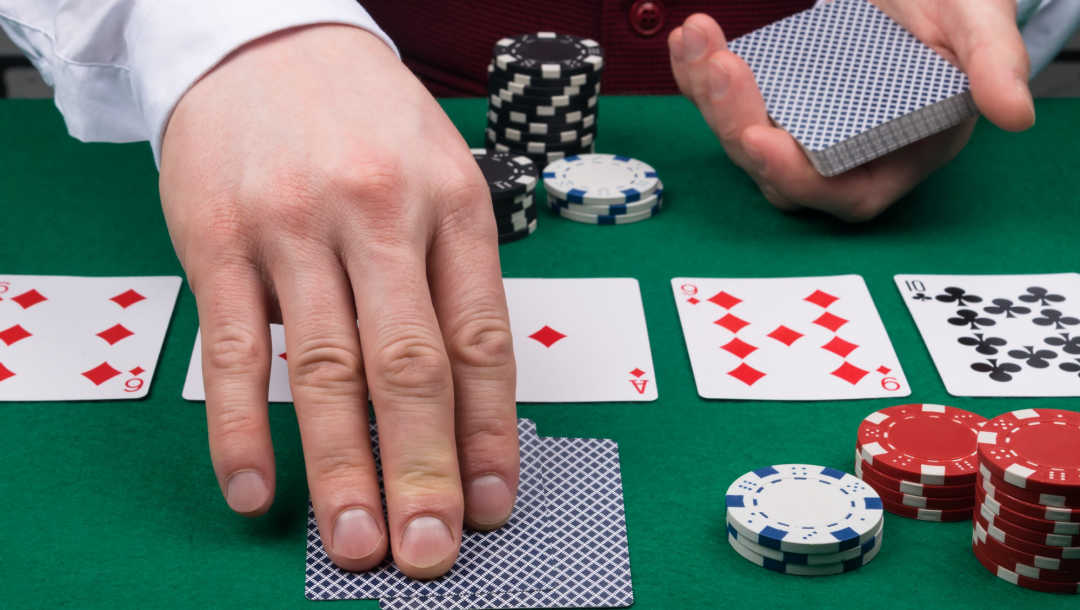
In today’s society, gambling has evolved into a multi-billion dollar industry, encompassing a wide range of activities from traditional casinos to online poker and esports betting. The acceptance of gambling as a mainstream form of entertainment has led to its integration into popular culture, with movies and television shows frequently portraying gambling as glamorous and exciting. This portrayal, however, also raises questions about the social implications and potential risks associated with gambling.
As gambling continues to adapt to new technologies and societal changes, resources for addiction recovery have become increasingly important. Organizations and support groups now focus on providing education, guidance, and assistance for those affected by gambling addiction. This comprehensive approach aims to foster a healthier relationship with gambling, ensuring that it remains an enjoyable activity rather than a detrimental vice.